


.jpg)
India’s Rulebook Just Got Longer.
A listed bank in Mumbai can answer to the RBI, SEBI, CERT-In and the Data Protection Board, often for the same incident and on different clocks: six hours for CERT-In today, 72 hours for a detailed DPDP breach report once the Rules fully apply, and whatever your own board expects by morning.
Most teams still stitch this together with spreadsheets, email trails and a tool that only covers IT controls. Governance and enterprise risk stay manual. Keep your advisors; give them one platform to work from.
LockThreat maps your obligations once, tests your controls continuously, and gives your board one current view of risk.
The Clock Is Running.


Built for India’s Most Regulated Sectors
RBI’s 2026 Cybersecurity Directions and outsourcing rules.

SEBI CSCRF controls, cyber audits and incident reporting.

IRDAI’s 2026 guidelines, mapped to ISO 27001.

Board risk oversight; RMC rules for the top 1,000 listed firms.
DPDP and ABDM health-data obligations.

DPDP at home; ISO 27001, SOC 2 and GDPR for clients abroad.
Spreadsheets and IT-Only Tools Leave agapRegulators Will Find.
GRC


Frameworks for India
Mapped to one control library, so a control tested once serves every framework it supports. Tracking something not listed? Ask us.


Data Protection
Cyber & Critical Infrastructure
Banking, Markets & Insurance
Corporate Governance & Risk
Global Standards
.webp)
.webp)
Your teams are already using AI on customer and employee data. Under the DPDP Act, you’ll be accountable for it. Do you know which AI tools and agents are breaching your controls?
.png)
.png)
Your Data. Stays in India.
Indian regulators increasingly expect sensitive data to stay onshore, from RBI’s rules on storing payment system data in India to CERT-In’s requirement to keep ICT logs within Indian jurisdiction for 180 days.
Choose how LockThreat runs: managed SaaS hosted in India, your own private VPC, or on-premises in your data centre. The same full G+R+C depth, regardless of deployment.
.webp)
.webp)
.webp)
One Platform for the Whole Buying Committee


- CERT-In, RBI and SEBI evidence collected continuously, not the week before an inspection.
- Third-party and outsourcing risk tracked alongside your own controls.

- DPDP obligations mapped to controls, with breach timelines tracked in incident response workflows.
- Policies and gap analysis generated against the frameworks you answer to.

- Risk quantified in financial terms with FAIR modelling and Monte Carlo simulation.
- One enterprise risk register across business units and locations.

- An audit trail for internal financial controls.
- Board and committee reporting drawn from live data, not spreadsheets.

Everything Enterprise GRC Should Have Been.
Most GRC tools deliver compliance, with governance and risk as an afterthought.
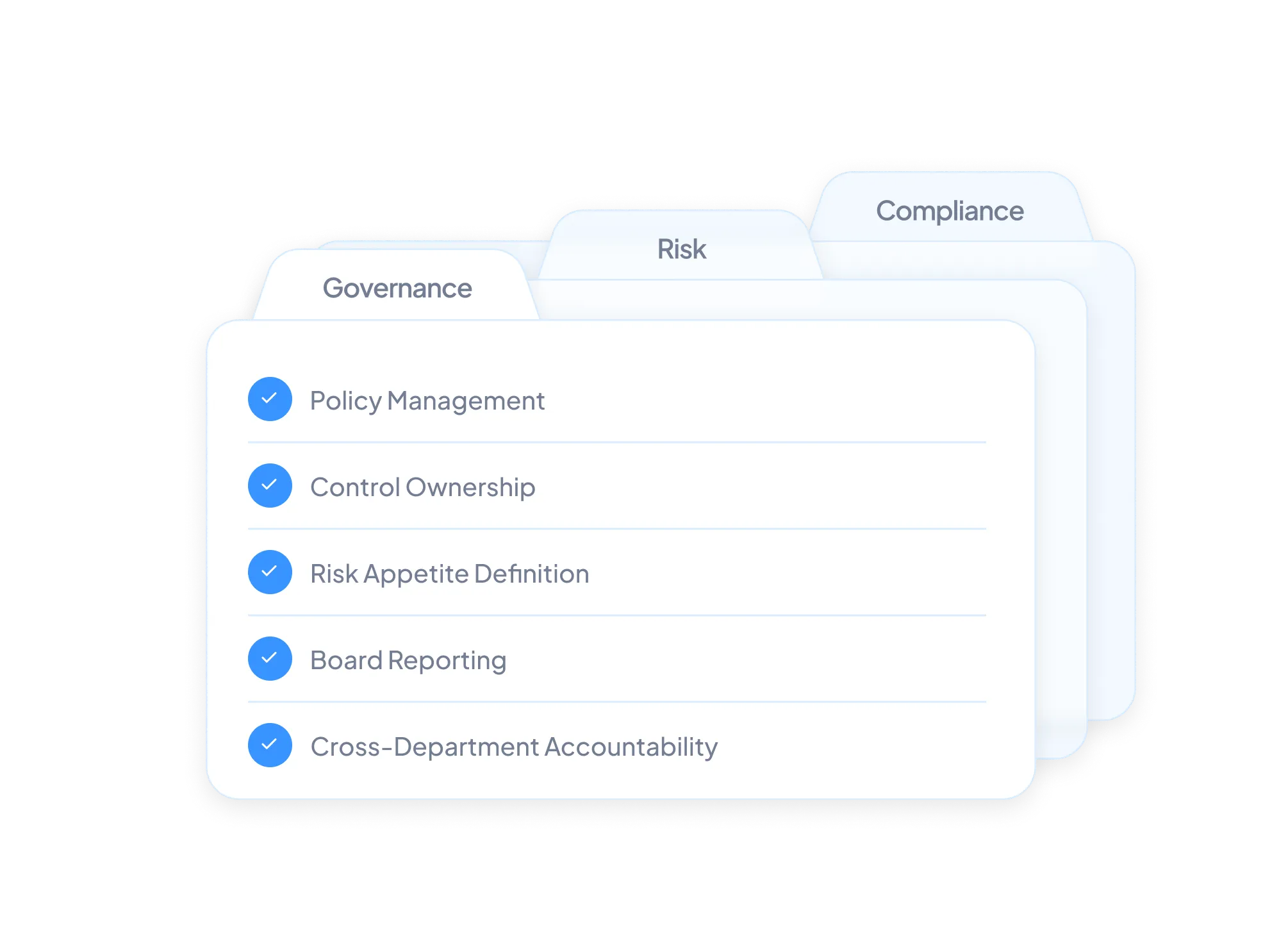
Here, governance comes first: the policies that move your business forward, the controls that contain risk across every department, and the compliance that follows naturally from both.
No spreadsheets. No disconnected tools. No point-in-time snapshots. One centralised, ongoing view of your organisation’s risk and compliance posture.
.webp)
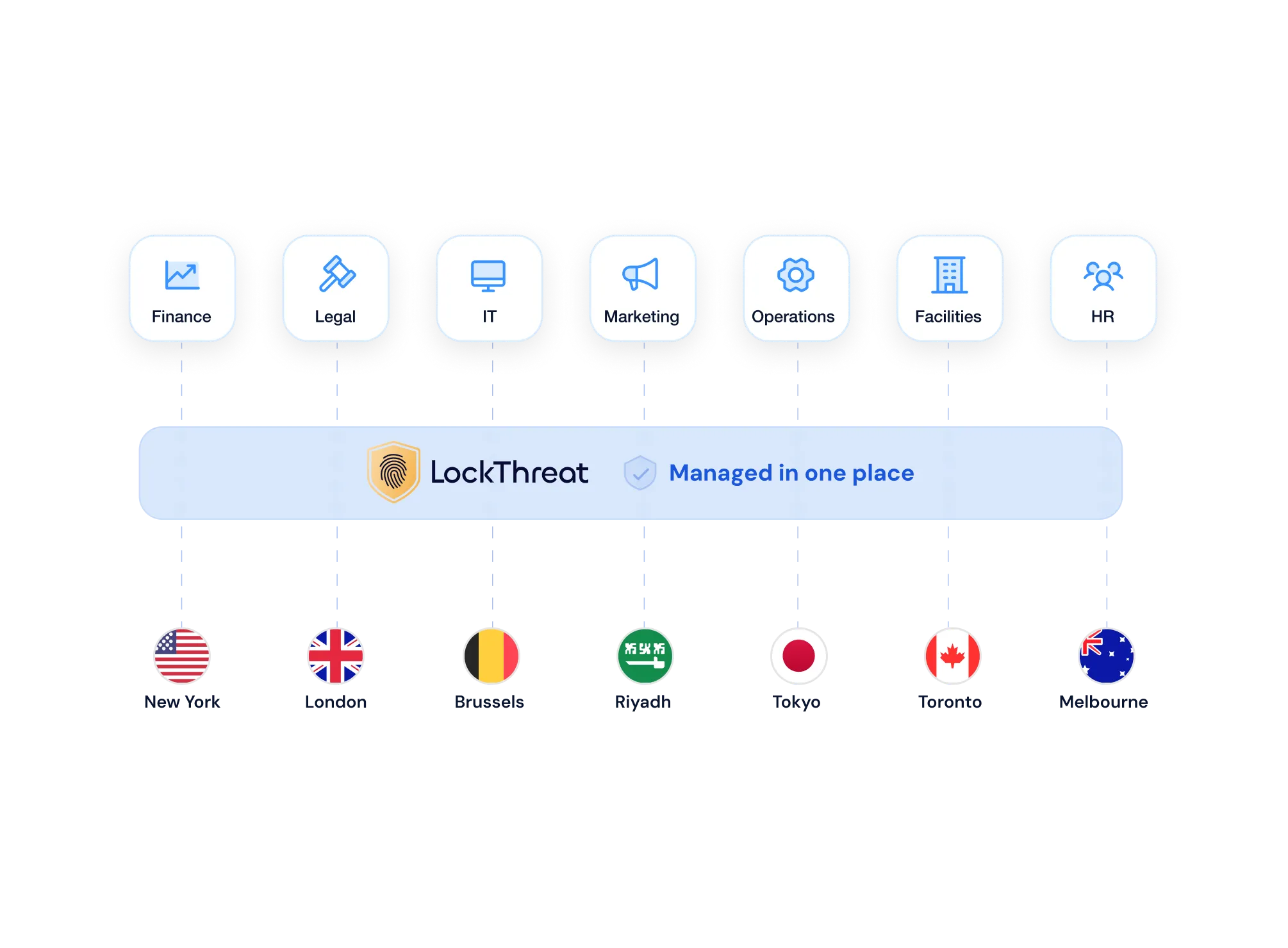
Your regulatory obligations don’t respect org charts or geographies.
Every department, from finance, legal and HR to operations, cyber and IT, managed in one place, without the sprawl.
The locations you operate in, from Mumbai, Bengaluru and Gurugram to Hyderabad, Chennai and your offices worldwide, managed in one place without adding more tools.
.png)
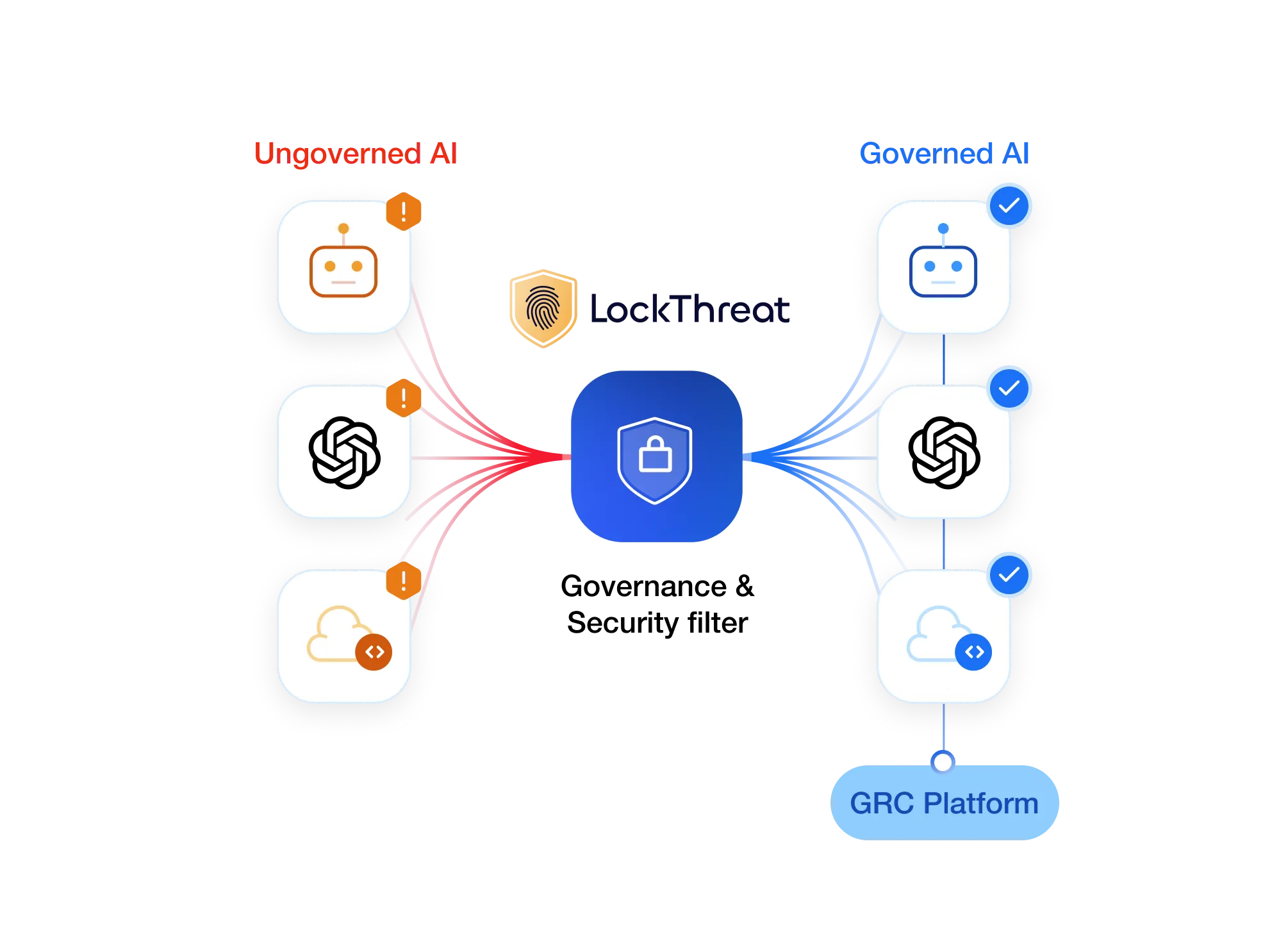
Which AI tools are your employees using? Are they approved? Are they handling personal data your DPDP notices and consents don’t cover?
And when AI agents act autonomously, accessing systems, making decisions, breaching controls, who’s watching? Now you are.
From shadow AI discovery and ISO/IEC 42001 alignment to real-time prompt protection and agentic control enforcement, reported directly into your GRC framework.
.png)
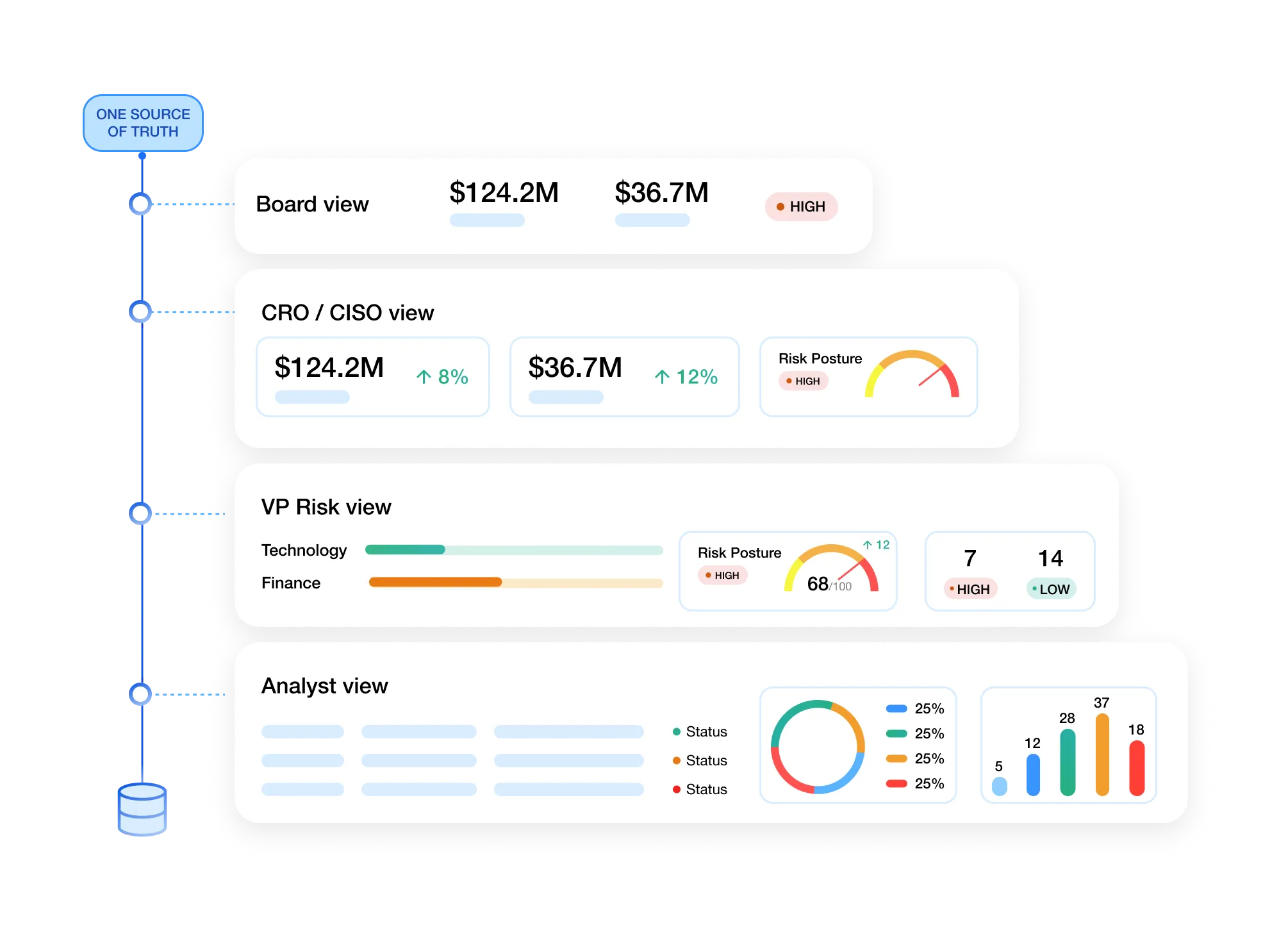
Every stakeholder needs a different view of the same risk reality, from one source of truth.
Express risk in financial terms your Board, CFO and Risk Management Committee can act on, using FAIR modelling and Monte Carlo simulation.
Detailed enough for the analyst, clear enough for the CRO and the CISO, compelling enough for the Board.
.png)
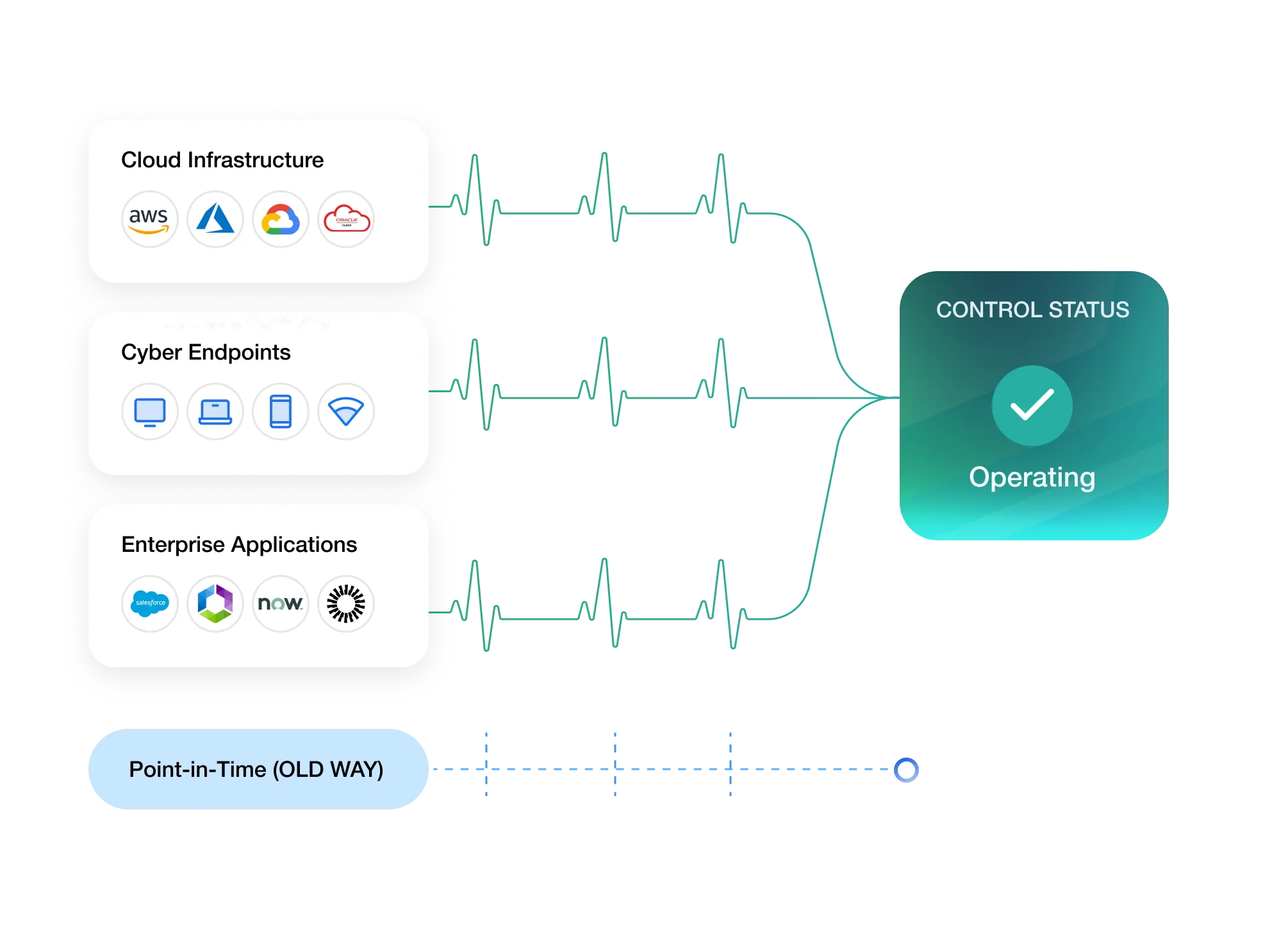
Compliance in India isn’t an annual exercise; it’s an ongoing operating requirement.
LockThreat validates that your controls are working, right now, across cloud infrastructure, cyber endpoints and enterprise applications.
Far less scrambling for evidence before an RBI inspection, a SEBI cyber audit or an ISO surveillance audit.
.png)
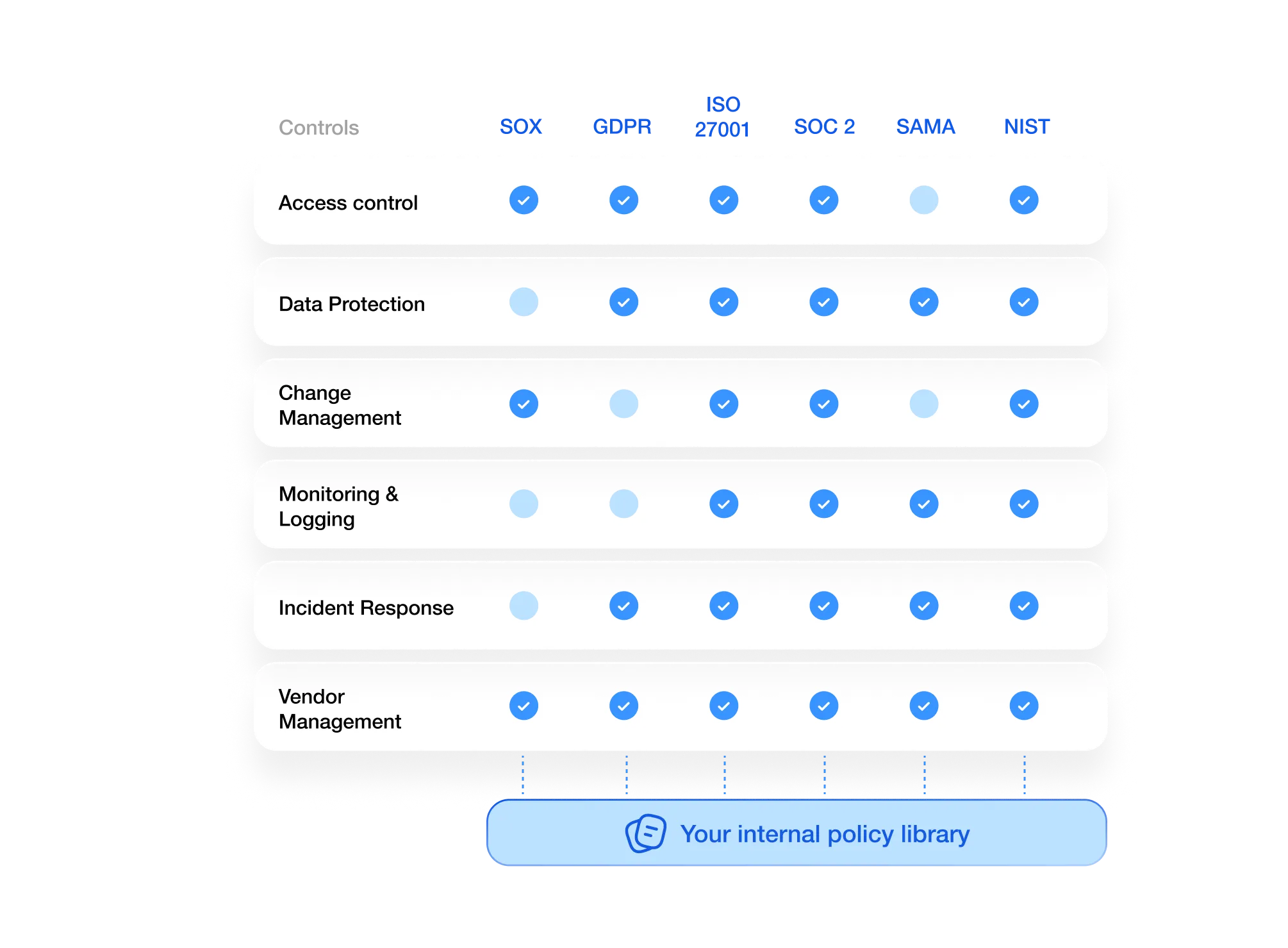
Map DPDP, CERT-In, RBI, SEBI CSCRF and IRDAI to ISO 27001, ISO 27701, SOC 2, PCI DSS and NIST, and to each other, eliminating redundant work.
Tie everything to your own policy library and control framework, so governance becomes a living system, not a compliance filing cabinet.
.png)
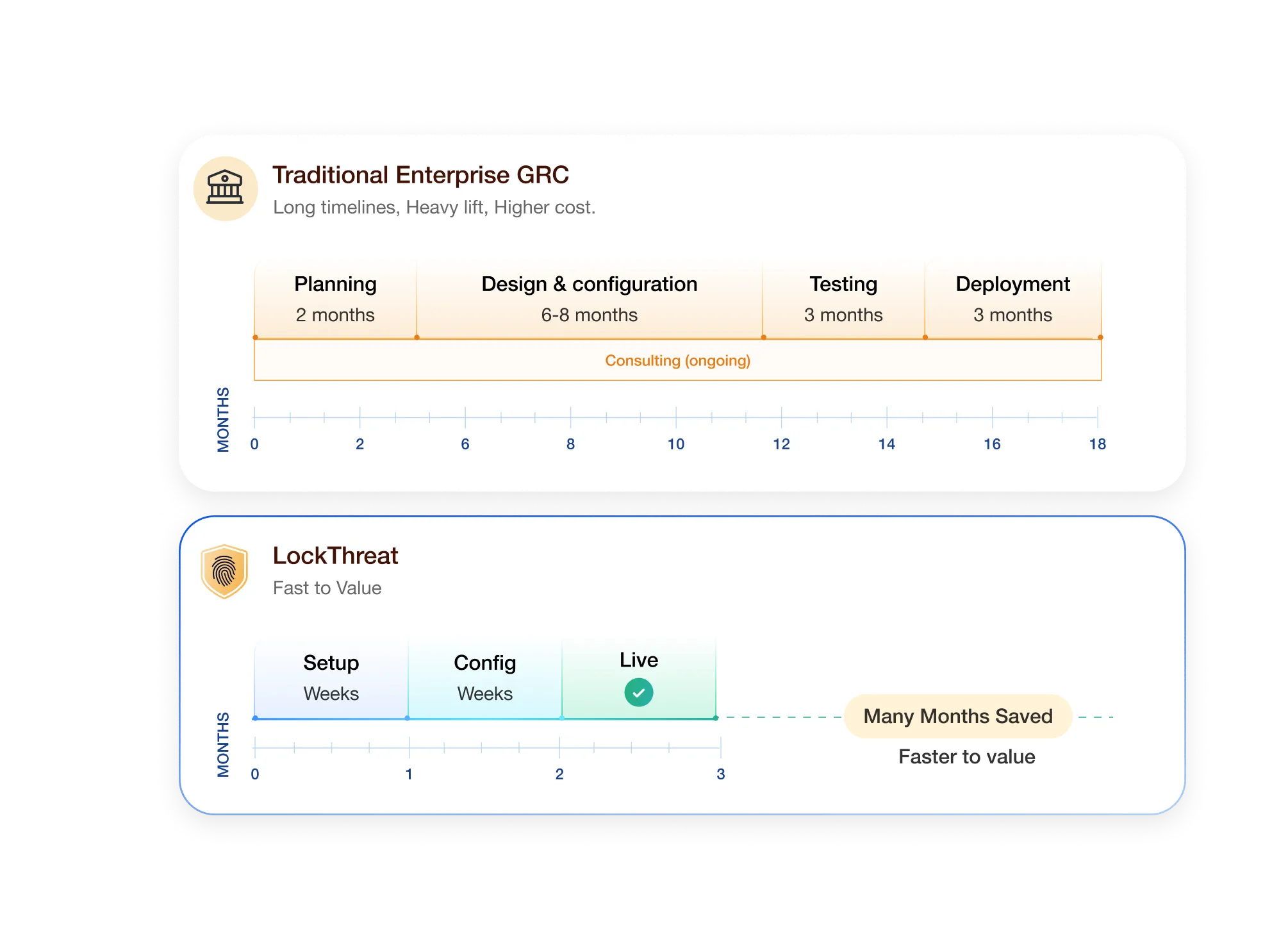
Enterprise GRC depth without the 18-month implementation. Up and running in weeks to months, on the technology stack you already have.
Implemented and supported by our in-region team and partners.
Already running another GRC platform? Run LockThreat alongside it during transition, no rip-and-replace required.
.png)
.png)
.png)
What GRC Leaders Say
.png)
.png)
.png)
See LockThreat on Your Indian Frameworks
A focused 30-minute walkthrough, plus pricing for your deployment. No generic pitch, no obligation.
Tell us which regulators and frameworks you answer to (DPDP, CERT-In, RBI, SEBI, IRDAI) and how you want to deploy. We’ll tailor the session to your programme.
- A 30-minute walkthrough on your frameworks, following your priorities.
- Your deployment path: SaaS hosted in India, private VPC or on-premises.
- Pricing for your scope, based on your entities, frameworks and deployment model.
Delivered by our in-region team and partners. Prefer email? info@lockthreat.com



.png)
.png)